The importance of meaning, beauty, places of refuge…
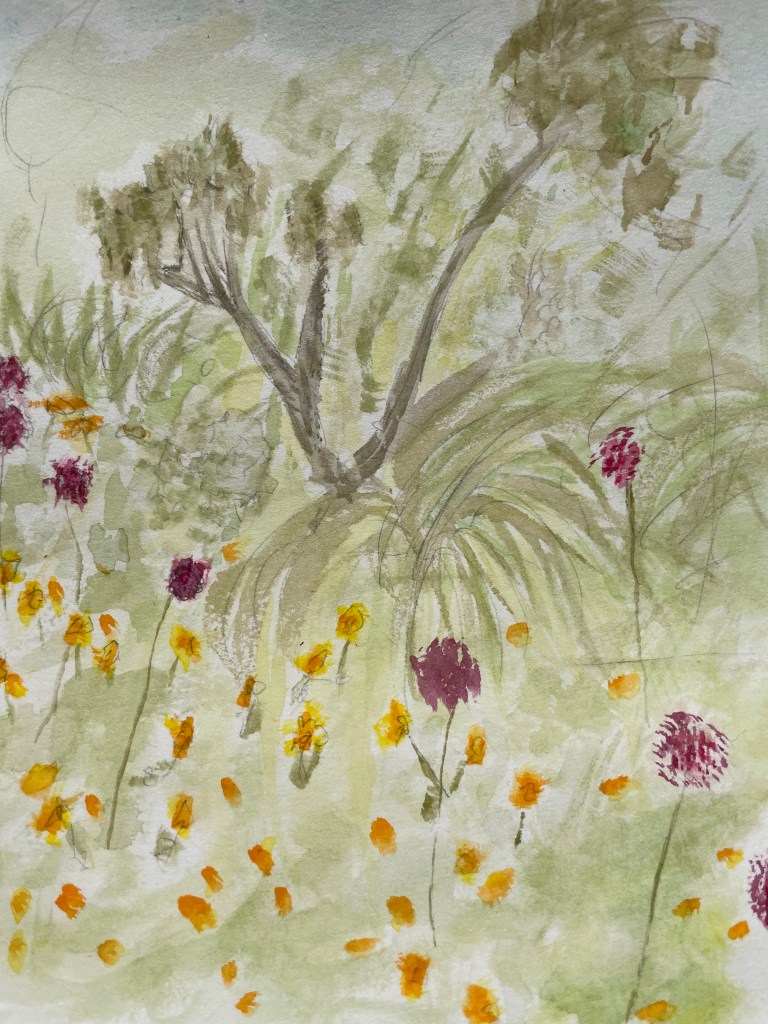
In 2013 Tia published a book called, Music Asylums: music and wellbeing in everyday life. It was about how many of us turn to music to find moments of asylum. Sometimes that process involves plugging in earbuds and removing ourselves from the world. Other times, it involves locating or helping to create a part of our world that offers, at least for a moment or two, a kind of haven.
For example, you might be listening to the radio and suddenly a song you love comes on the air. You stop what you’re doing to listen, you feel better afterward. Other times you yourself might add music to your world. For example, you might literally whistle while you work, and as you do that also transform the environment you are inhabiting, even if only for a while and in a small way – but a way that matters, to you.
What an asylum does for people varies. It varies across time and place, across life events, across situations. It might involve a sense of peace, beauty, solace, respite, comfort, joy, meaning, motivation, connection, faith, diversion, memory, hope, reassurance… There are probably as many words for what ‘asylum’ is and can be as there are individual circumstances of seeking it out. But what it does, the resources it requires, involves something before, or perhaps beyond, words.
Tia wrote about music specifically, but there are many things that can offer us asylum – art, interior furnishings, certain colours, a favourite mug or chair, a blanket. The smell of flowers, something cooking, perfume, a person – their touch or smell. Nature, a specific time of day or a view, the feel of the sun or the shade, or a breeze on your face. A poem, or a delicious glass of water, a perfect cup of tea… Sometimes, these things take place in an eyeblink, other times they last longer. Here, time is not of importance. What matters is that they offer of a momentary good experience and the difference such a moment can make may matter hugely to whatever happens next.
For example:
In 2016, Mountbatten, supported by the charity Green Fingers, created a hospice garden. This garden was one of five created for hospices in the UK, ‘to improve life for hospice patients’. The one at Mountbatten was originally the Royal Bank of Canada entry to the 2015 Chelsea Flower Show where it won a People’s Prize.
On the hospice website there is a short news film about the opening of this beautiful (and very sustainable) garden. In the film, different people associated with the hospice in different ways described their reactions:
“I’ve got cancer. But I’m – I’ve never felt better. It’s so relaxing. It really is, having – it’s lovely.”
“You can actually come here, and just kind of really get your emotions – get a little bit of peace, and just think about the day ahead, and what you’re going to do, and the day you just had.”
“It’s a dream come true. A dream come true. And for people in the last times of their life, to have the freedom, and the beauty, and the variation! It’s just – beyond words.”
When an organisation has this kind of imagination – to recognise the importance of being able to find, create, inhabit or engage with places, objects and scenes so that, in whatever way, there is the potential of ‘asylum’… It is the kind of understanding that, as one of the commentators aptly said, lies, “beyond words.”
The film can be found on the Hospice’s website here:
Or on Youtube
Reference:
DeNora, T. 2013. Music Asylums: music and wellbeing in everyday life. London: Routledge.
 Island Life and Death
Leave a comment